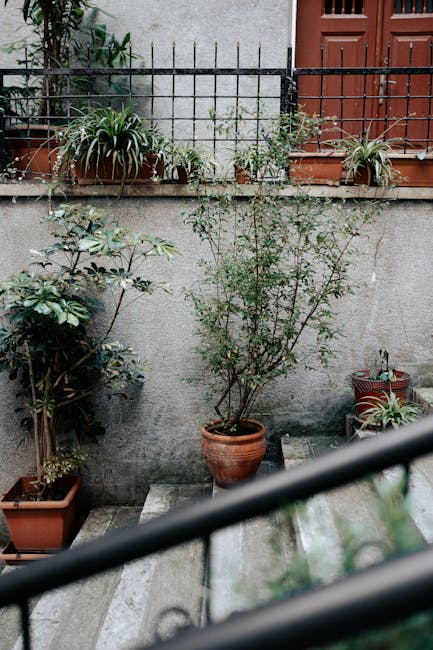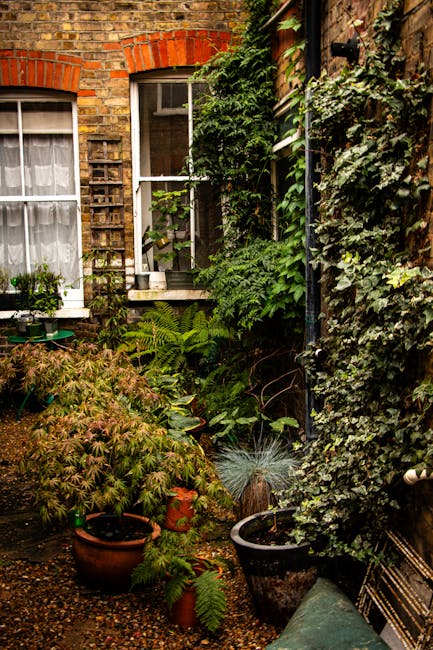
Tobacco Dock gardeners for courtyard greens: a practical guide to better small-space planting
If you are trying to turn a hard, awkward courtyard into something calm and alive, you already know the challenge. Shade on one side, reflected heat on another, not much soil depth, and somewhere in the middle a patch that just looks tired by Tuesday. That is exactly where Tobacco Dock gardeners for courtyard greens comes in: thoughtful planting, proper maintenance, and design choices that make compact outdoor spaces feel generous rather than cramped.
In a place like Tobacco Dock, where courtyards often sit between brick, steel, paving, and busy foot traffic, the goal is not to force a country garden into the space. It is to build a green area that actually works there. This guide walks through the process, the benefits, common mistakes, and the best ways to get lasting results without overcomplicating things. And yes, you can make a small courtyard feel properly green. Not fake-green. Properly green.
Why Tobacco Dock gardeners for courtyard greens Matters
Court yard planting is one of those jobs that looks simple from a distance and then becomes oddly technical the moment you start. There is often limited light, a patchwork of paving, and less root space than plants would like. Add wind tunnels, building shade, and occasional splashes of pollution or dust, and the garden needs to earn its keep.
That is why skilled courtyard gardening matters. A good plan is not just about putting in a few pots and hoping for the best. It is about choosing plants that can cope, arranging them so they still feel lush, and building a maintenance routine that suits a compact London setting. If done well, even a modest courtyard can feel like a retreat. I have seen small spaces go from echoey and bare to soft and inviting in a single season. The change is real, and you notice it as soon as you step outside.
For many property owners around Tobacco Dock, the green space is part of how the property feels to residents, guests, staff, or customers. That means the planting has to look good close up, hold together through the seasons, and not become a maintenance headache. Truth be told, that balance is the whole game.
If you are also thinking about broader outdoor improvements, coordinated work often helps. Services such as landscaping in Wapping, regular garden maintenance, and even patio cleaning can support the look and health of a courtyard green without making it feel overdone.
How Tobacco Dock gardeners for courtyard greens Works
The process starts with reading the space properly. That sounds obvious, but people skip it all the time. A courtyard is a microclimate. One corner may be dry and bright by lunchtime, while another stays cool and damp all day. A sensible gardener studies light, airflow, drainage, access, and how the space is actually used before planting anything.
From there, the work usually falls into a few layers:
- Structure: hard surfaces, edging, raised beds, containers, trellis, screens, or seats.
- Planting palette: shade-tolerant, drought-tolerant, evergreen, seasonal, or edible planting depending on the brief.
- Soil and drainage: the part many people underestimate, especially in containers and raised planters.
- Maintenance rhythm: watering, feeding, trimming, deadheading, cleaning, and replacing tired plants when needed.
A well-planned courtyard does not rely on one big dramatic idea. It is usually a series of smaller decisions that add up. For example, vertical planting can free up floor space; a layer of ground cover softens exposed paving; and one or two properly chosen feature pots give the space focus. If you want to dig deeper into small-space thinking, the guide on thriving container gardens is a helpful companion piece.
In practice, the best courtyard gardeners work with the site rather than fighting it. A shady courtyard is not a failure. A narrow one is not a problem. It just needs a different planting logic. That is the whole trick, really.
Key Benefits and Practical Advantages
Courtyard greens bring more than visual appeal. They change how the space feels and how people use it. Here are the benefits that matter most in day-to-day life.
- More atmosphere: greenery softens brick, stone, steel, and fencing, which can otherwise feel hard or echoey.
- Better comfort: plants can reduce glare, temper heat, and make seating areas more inviting.
- Improved privacy: layered planting and screening can help a courtyard feel more enclosed without building solid walls.
- Lower visual stress: a tidy green space is easier on the eye than a bare service yard or neglected patio.
- Use of awkward spaces: corners, narrow strips, and dead zones become useful parts of the design.
- Seasonal interest: with the right plant mix, the courtyard changes through the year instead of looking static.
There is also a practical business and property value angle. A clean, planted courtyard suggests care. It tells people the wider property is looked after. That does not mean expensive or showy. It means intentional. For some sites, adding low-maintenance planting alongside decking services or new fencing can create a more coherent and usable outdoor room.
Expert summary: The strongest courtyard greens are usually not the biggest or most exotic. They are the ones that match the light, the wind, the use pattern, and the maintenance capacity of the site. Fit matters more than flash.
Who This Is For and When It Makes Sense
This kind of gardening is a good fit for property owners, landlords, hospitality venues, offices, communal buildings, and private homes with compact outdoor areas. It is especially useful if the courtyard currently feels like a pass-through rather than a place to stay.
You are probably a good candidate if any of these sound familiar:
- The courtyard has lots of paving but very little softness.
- Plants you have tried before keep failing for no obvious reason.
- The space needs to look presentable for visitors or residents.
- You want greenery but do not want high-maintenance borders.
- The area is shaded, windy, or awkwardly enclosed.
It also makes sense if you are already planning other upgrades. A courtyard often works best when planting is done alongside cleanup, layout changes, or surface repairs. In that case, services like professional gardening services and patio cleaning in Wapping help reset the whole area so the new planting has a cleaner stage to sit on.
On the other hand, if the space has no water access, severe deep shade, or ongoing access issues, the plan may need to be simpler. Sometimes the right answer is a restrained, tough planting scheme rather than a lush layered one. That is not settling. That is smart.
Step-by-Step Guidance
Here is a straightforward way to approach a courtyard green project without getting tangled up in too many choices.
- Assess the space properly. Note sun, shade, wind, drainage, and how people move through the courtyard. Morning light and afternoon heat are not the same thing, not even close.
- Define the purpose. Is this for relaxing, dining, display, screening, or low-key decoration? A courtyard designed for quiet seating will need different plants and layout priorities from one designed to welcome customers.
- Sort the surfaces. Check paving, drainage grates, edges, walls, and any existing planters. If surfaces are dirty or slippery, get those sorted early. A green design feels better when the ground beneath it is sound.
- Choose a planting strategy. For tight spaces, use a mix of evergreen structure, seasonal colour, and container plants. If you need shade-friendly ideas, the article on evergreen climbers for sheltered gardens is especially useful.
- Build layers. Use taller plants or climbers at the back, medium planting in the middle, and low plants or ground cover at the front. This helps a small space feel deeper and less boxy.
- Install reliable irrigation habits. In containers, watering often matters more than fertiliser. In summer, a courtyard can dry out fast because the surrounding surfaces hold and reflect heat.
- Finish with maintenance rules. Decide who waters, who trims, and when inspections happen. Without this, even a beautiful courtyard drifts downhill. Happens every time.
A lot of people underestimate the last step. Maintenance is not the boring bit at the end; it is what keeps the first six steps alive.
Expert Tips for Better Results
There are a few small moves that make a big difference in courtyard planting. None are flashy. All of them help.
- Use more container depth than you think you need. Shallow pots dry fast and limit root growth. Deeper containers usually give better stability and longer plant life.
- Choose repeating shapes. Matching planters or repeated foliage types make a small courtyard feel calmer and more deliberate.
- Lean on leaf texture. In tight urban spaces, foliage often matters more than flowers. Ferns, grasses, evergreens, and glossy leaves can do a lot of heavy lifting.
- Keep one focal point. A bench, specimen plant, or screen gives the eye somewhere to rest.
- Think seasonally, not just instantly. A courtyard that looks good in May but not in January is only half-done.
- Plan for wind. If the space catches gusts, choose sturdy species and secure containers. Wind can do surprising damage overnight.
For privacy and structure, some courtyards benefit from trained climbers or light screening rather than bulky walls. If that sounds like your setup, you may find ideas in the article on privacy hedges and the guide to windproofing your plant haven. Different sites, same principle: protect the planting and it pays you back.
One small human observation: a courtyard that smells good is often remembered more fondly than one that just photographs well. Herbs, clipped foliage, damp soil after rain, a little lavender if the light allows it. That sensory layer counts.
Common Mistakes to Avoid
Courtyard projects often go wrong in predictable ways. Avoiding them is easier than fixing them later.
- Using plants that want more sun than the site can give. This is the classic mistake. The plant looks fine for a while, then slowly sulks.
- Overcrowding the space. Too many pots make a courtyard feel cluttered rather than lush.
- Ignoring drainage. Waterlogged containers or badly graded paving can undo even the best planting plan.
- Choosing style over survival. A plant that looks perfect in a showroom may be hopeless in a windy, shaded courtyard.
- Forgetting access. If you cannot water, weed, or prune a plant comfortably, it will become a problem.
- Skipping long-term maintenance. A tidy courtyard in spring can look neglected by late summer if no routine exists.
There is another subtle mistake: making the entire courtyard one note. All green, all upright, all hard-edged, all colour, all shade. Real interest comes from contrast. A bit of height, a bit of softness, a bit of structure. That balance is what makes people pause.
If your space already feels underused, you may also benefit from some reset work. Redesigning a neglected garden is a useful mindset before you begin, and sometimes a light refresh beats a full rebuild.
Tools, Resources and Recommendations
You do not need a van full of specialist kit to improve a courtyard, but the right basics help a lot. The most useful tools are the ones that save time and make daily upkeep easier.
| Need | Useful tools or resources | Why it helps |
|---|---|---|
| Planting and potting | Hand trowel, secateurs, compost, saucer trays, deep planters | Makes planting easier and reduces mess in tight spaces |
| Regular care | Watering can, hose access if available, mulch, feed | Keeps containers and beds stable through warmer spells |
| Structure | Trellis, supports, screen panels, planters with good weight | Improves height, privacy, and wind resilience |
| Visual finish | Hedge trimmers, brooms, pressure washing or professional patio care | Helps the greenery look intentional rather than messy |
For practical advice on kit, the article on gardening tools every outdoor enthusiast swears by is a solid reference point. If your courtyard needs low-cost ideas or a gentler reset, the guide to low-hassle, low-cost garden ideas can help you prioritise.
Where maintenance is ongoing, services such as lawn care and lawn mowing are not always directly relevant to courtyards, of course, but they matter if your site includes mixed outdoor zones or small lawn sections nearby. That wider view often gets overlooked.
Law, Compliance, Standards, or Best Practice
For courtyard greens, the main compliance concerns are usually practical rather than dramatic. You are less likely to be dealing with complex legal issues and more likely to be handling access, safety, waste, and building protection sensibly. Still, best practice matters.
- Check access permissions if the courtyard is shared, rented, or part of a managed building.
- Avoid blocking escape routes with planters, screens, or stored tools.
- Protect drainage points so water can move freely and does not pool near walls or doors.
- Keep pruning and maintenance safe by using the right tools and avoiding unstable ladder work where possible.
- Dispose of green waste responsibly and keep the work area tidy, especially in busy premises.
For taller planting, trees, or established woody growth, it is sensible to think carefully before cutting anything back hard. If a courtyard has mature planting or overgrown stems, professional input such as tree surgery in Wapping may be the right call. Not every branch problem is a quick trim job.
Good practice also means considering the building itself. Courtyard greens should not trap damp against walls, overload raised structures, or make access awkward for cleaners and maintenance teams. Small space gardening is lovely, but it still has to behave itself.
Options, Methods, or Comparison Table
There is no single best approach for every courtyard. The right method depends on the site, the budget, and how much time you want to spend maintaining it. Here is a simple comparison that might help.
| Method | Best for | Pros | Trade-offs |
|---|---|---|---|
| Container-led planting | Very small or paved courtyards | Flexible, tidy, easy to replace or move | Needs consistent watering and feeding |
| Raised beds | Courtyards with enough room for fixed structure | Better root space, stronger visual impact | More installation cost and less flexibility |
| Vertical planting | Narrow spaces or privacy goals | Saves floor area, softens walls | Needs secure fixing and regular watering |
| Mixed hardscape and soft planting | Entertaining or seating areas | Balanced, usable, more refined finish | Requires better planning and coordination |
For many Tobacco Dock settings, mixed hardscape and soft planting is the winner because it creates a courtyard that is usable, clean, and green all at once. If seating is part of the brief, the article on creating garden seating areas offers useful ideas on comfort and layout. A courtyard should invite you in, not just sit there looking decorative.
Case Study or Real-World Example
Here is a realistic example from the kind of courtyard many people ask about. A small internal space off a Tobacco Dock property had grey paving, one tired planter, and a couple of struggling shrubs. It felt bare in winter and cluttered in summer. Nothing was technically wrong with it, but nothing felt right either.
The fix was not dramatic. First came a clean-up and a proper surface tidy. Then the planting plan shifted to a layered approach: a few evergreen structural plants, some shade-tolerant texture in planters, and climbers trained vertically to use the wall space. The old, oversized container was removed. A seating nook was added. The whole courtyard became calmer, and honestly more usable straight away.
What changed most was not the amount of planting. It was the balance. Before, the space looked like an afterthought. Afterwards, it looked considered. That subtle shift is what people usually want when they ask for courtyard greens, even if they do not put it quite that way.
In a similar project, simple maintenance made the difference. Routine care, seasonal pruning, and checking irrigation kept the planting from becoming scruffy. If the site has been left alone for a while, the article winter care for your garden plants is worth reading, because neglected courtyards tend to show stress first in the colder months.
Practical Checklist
Use this as a quick pre-launch or maintenance checklist for a courtyard green project.
- Check the light pattern across the day.
- Confirm access for watering, pruning, and waste removal.
- Inspect drainage and any standing-water issues.
- Choose plants that suit shade, wind, or heat exposure.
- Decide whether the design needs privacy, seating, display, or all three.
- Use containers or raised beds only where they can be maintained comfortably.
- Keep a clear path through the courtyard.
- Use repeated materials or pot styles for visual order.
- Plan the maintenance cycle before installation starts.
- Review the space after the first season and adjust what is not working.
If you want one extra tip: photograph the courtyard before and after key changes. Not for social media, necessarily. Just for honest comparison. You will spot things you miss in the moment.
Get a free quote today and see how much you can save.
Conclusion
Good courtyard planting is rarely about big gestures. It is about making the available space feel easier, greener, and more welcoming without creating a maintenance burden. That is why Tobacco Dock gardeners for courtyard greens need to think carefully about site conditions, plant choice, layout, and upkeep from day one.
When those pieces line up, even a compact courtyard can feel surprisingly generous. It becomes somewhere to pause, not just pass through. Somewhere with texture, shade, and a bit of life in the middle of the city. And to be fair, that kind of space matters more than people admit.
If you are ready to turn an underused courtyard into something softer and more resilient, start with the conditions in front of you, keep the design practical, and give the planting a chance to settle properly. The results can be quietly brilliant.
Frequently Asked Questions
What do Tobacco Dock gardeners for courtyard greens actually do?
They assess small urban outdoor spaces, choose suitable plants, improve the layout, and maintain the area so it stays attractive and healthy through the seasons.
Can a courtyard green work in shade?
Yes. Many courtyards are partially shaded, and that is not a deal-breaker. The key is choosing shade-tolerant planting and avoiding sun-loving plants that will struggle.
What plants are best for a small courtyard?
Usually a mix of evergreen structure, texture plants, climbers, and a few seasonal interest plants. Container-friendly and compact species tend to perform best in tight spaces.
How often do courtyard plants need watering?
It depends on the weather, the containers, and the plant types. In summer, containers can dry out very quickly, so regular checks are important. There is no one-size-fits-all schedule.
Is courtyard gardening expensive?
It can be modest or more ambitious depending on the design. Container-led schemes are usually a lower-cost way to start, while raised beds, screening, and hardscape changes increase the budget.
How do I make a courtyard look greener without overcrowding it?
Use vertical planting, repeated planters, and a limited palette of well-chosen species. A few strong plants often look better than lots of mismatched ones.
Do I need professional help for a small courtyard?
Not always, but professional help can save time and improve results if the space has poor drainage, awkward shade, mature plants, or a design that needs reworking.
What should I do first if my courtyard feels tired and messy?
Start with clearing, cleaning, and checking the surfaces. Then decide whether the space needs a simple refresh or a fuller redesign. Good structure comes before planting.
Can courtyard greens improve privacy?
Yes. Climbing plants, screens, and layered planting can all help soften sightlines and make the space feel more enclosed, while still keeping it light and liveable.
How much maintenance does a courtyard green need?
That depends on the design. A simple, hardy planting scheme needs far less work than a flower-heavy display. Most problems start when maintenance is underestimated.
What is the biggest mistake people make with courtyard gardens?
Choosing plants for appearance instead of conditions. In small urban spaces, light, wind, drainage, and access matter more than people expect. Get those right and the rest gets easier.
When is the best time to start a courtyard planting project?
Spring and early autumn are often good times because plants can establish before extreme weather sets in, but the right timing depends on the site and the scope of work.