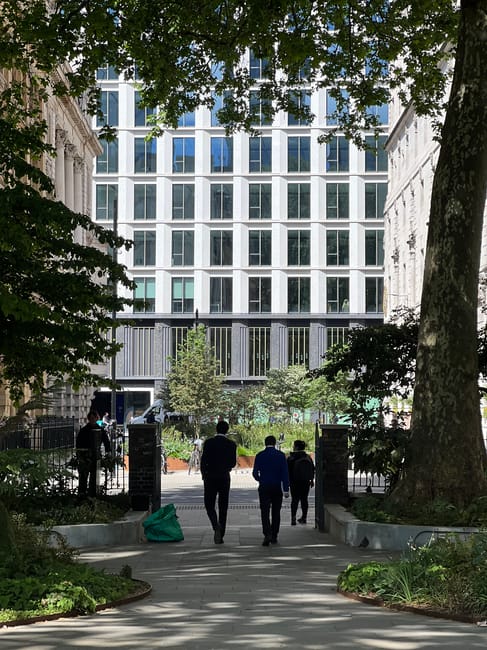
Commercial gardeners serving Wapping Wall offices and courtyards
If you manage an office, a mixed-use building, or a tucked-away courtyard near Wapping Wall, you already know the truth: outdoor space is never just "outside space". It shapes first impressions, affects how people feel on arrival, and quietly influences how well a site is looked after overall. Commercial gardeners serving Wapping Wall offices and courtyards bring that space under control, keep it looking credible, and stop small seasonal jobs from turning into bigger headaches. In a place where access can be tight, surfaces can be awkward, and standards are noticed quickly, that steady, professional maintenance really matters.
This guide breaks down what commercial gardening for offices and courtyards involves, why it is useful, how the work is usually planned, and what to watch for when comparing options. You will also find practical steps, a comparison table, a realistic example, and a checklist you can use before booking a site visit. No fluff. Just the kind of detail that helps you make a sensible decision.
Why Commercial gardeners serving Wapping Wall offices and courtyards Matters
Office courtyards and shared commercial planting areas do a lot of work with very little space. They soften hard architecture, give staff somewhere to pause, and make a building feel cared for rather than merely occupied. But they also face constant pressure: foot traffic, shade from tall buildings, wind tunnels, patchy light, litter, bin access, security concerns, and the usual London weather doing its thing.
That is why a commercial gardening approach is different from casual residential upkeep. It is not just mowing, trimming, and hoping for the best. It is about scheduled upkeep, plant choices that suit the site, practical access planning, and work that respects the rhythm of an office building. A good gardener notices whether a courtyard looks inviting at 8:30 in the morning, whether moss is building up on shaded paving, and whether the hedge line is starting to hide entrances or sightlines.
To be fair, most office managers do not want a "show garden". They want a smart, reliable outside area that does not become another thing to worry about. That is the sweet spot. Good commercial garden care makes the place easier to manage, safer to walk through, and nicer to look at all year round.
If your site needs more than basic tidying, services such as commercial landscaping support or ongoing garden maintenance in Wapping can turn a tired courtyard into something much more usable without making it feel over-designed.
How Commercial gardeners serving Wapping Wall offices and courtyards Works
In practice, the process usually starts with a site assessment. This is where the gardener looks at access, plant health, drainage, hard landscaping, sunlight, shade, and how the space is actually used. A courtyard behind an office reception is a different animal from a narrow service-side planting strip or a small roof-level terrace with containers. Different conditions, different approach.
The next step is usually a maintenance plan. That can be weekly, fortnightly, monthly, or seasonal, depending on how fast the site changes. For many offices, the aim is consistency rather than dramatic intervention. A site that is cut back neatly every couple of weeks often looks better than one that is left to get shaggy and then "rescued" in one heavy session. Humans notice that more than they think.
The work itself may include planting care, pruning, hedge trimming, lawn mowing, weed removal, pressure or soft washing of paths where appropriate, container upkeep, soil improvement, tree work, and occasional repairs to edging, fencing, decking, or raised beds. For paved courtyards, even small details matter; a clean edge or a tidy planter line makes the whole place feel organised.
Some jobs are straightforward. Others need a bit of judgment. For example, a shaded courtyard may need a calmer planting scheme with better groundcover and fewer thirsty plants, while a windy office terrace may need structural planting, sheltered containers, or adjustments to screening. If you want more privacy or a greener backdrop, options like hedge trimming services and ideas from privacy hedge planting guidance can help you shape the space without overcomplicating it.
Key Benefits and Practical Advantages
The obvious benefit is appearance, but that is only the starting point. Well-managed commercial gardens support day-to-day use in a few important ways.
- Better first impressions: Clients, tenants, and staff see a building that feels looked after.
- Less reactive maintenance: Regular care usually prevents overgrowth, slippery build-up, and plant decline.
- Improved usability: Courtyards become usable break-out spaces instead of neglected corners.
- Safer circulation: Clear sightlines, trimmed edges, and tidy surfaces reduce trip hazards and visual clutter.
- Better plant performance: Plants that are pruned, fed, mulched, and monitored tend to cope better.
- Lower long-term stress: Planned maintenance is easier to budget for than repeated emergency fixes.
There is also a quieter benefit that often gets missed: morale. People relax a bit more in a space that smells of damp soil after rain, where pots are healthy and the green areas actually look intentional. It sounds small, but it adds up. A courtyard that feels cared for can change the mood of a whole floor.
For sites with seating or informal breakout areas, good garden care pairs well with tidier hard landscaping. That might mean patio cleaning for commercial courtyards or even ideas for creating garden seating areas that make the outside space more inviting for staff.
| Benefit area | What it looks like on site | Why it matters |
|---|---|---|
| Presentation | Clean edges, healthy planting, no obvious weeds | Supports brand image and tenant confidence |
| Maintenance control | Regular visits and predictable tasks | Stops the site swinging between tidy and neglected |
| Plant health | Pruning, feeding, seasonal replacement where needed | Reduces losses and visual gaps |
| Access and safety | Clear paths, manageable growth, neat borders | Helps people move through the space comfortably |
| Value use | Usable courtyard, terrace, or frontage | Turns dead space into a practical asset |
Who This Is For and When It Makes Sense
This kind of service is ideal for offices that want the grounds to stay presentable without relying on ad hoc in-house effort. If staff are already busy, gardening usually slips. It is nobody's favourite task at 5:30 on a wet Thursday. Commercial gardening makes more sense when the space affects how the business is perceived, or when the site has enough planting and hard landscaping to need regular attention.
Typical users include:
- office managers overseeing shared outdoor areas
- property or facilities teams
- landlords managing courtyards for multiple tenants
- workspaces with client-facing entrances
- hospitality businesses with service yards or small garden terraces
- mixed-use buildings with communal planting zones
It also makes sense when the space has recurring problems: weeds popping through paving, compacted soil, poor drainage, patchy shrubs, overgrown hedging, or container plants that keep looking tired. If the same problem returns every season, the site probably needs a proper routine rather than occasional rescue work.
For smaller sites, practical services such as lawn mowing in Wapping E1W and lawn care for commercial spaces can be enough to keep things sharp. For more complex courtyards, broader gardening services usually make the whole operation simpler.
Step-by-Step Guidance
If you are planning to bring in a commercial gardener for an office or courtyard, the safest route is to break the project into clear stages. That keeps everyone on the same page and avoids those awkward "I thought you meant the back corner too" moments.
- Define the site purpose. Is the space mostly decorative, or do people use it for breaks, meetings, or entrances?
- List the pain points. Note overgrowth, weeds, slipping surfaces, dead planting, poor drainage, and sightline issues.
- Map access and restrictions. Think about service times, loading access, noise-sensitive areas, security gates, and waste removal.
- Decide what needs fixing now. Separate urgent work from cosmetic improvements. Not everything needs doing at once.
- Set a maintenance frequency. Weekly, fortnightly, monthly, or seasonal depending on how quickly the site changes.
- Agree on plant priorities. Keep what thrives, remove what struggles, and replace weak planting with better-suited options.
- Build in hard-surface care. Plan for paths, patios, decking, edging, fencing, and container cleaning where relevant.
- Review after the first cycle. After a few visits, check whether the plan actually fits the site. Adjust if needed.
The biggest mistake people make is assuming the first quote is the whole story. In reality, the best results often come from a sensible sequence: clear, cut back, improve, then maintain. That order tends to produce calmer, neater work and fewer surprises.
If your courtyard includes raised beds or display planters, it can be worth looking at low-maintenance planting ideas such as ground cover plants for UK gardens or container garden basics, especially where root space is tight and the site has limited natural soil.
Expert Tips for Better Results
After enough site visits, a few patterns become obvious. The offices that look best are not always the ones with the most planting. They are usually the ones with the clearest maintenance logic.
1. Keep the planting palette simple. Too many plant types in a tight courtyard can look busy in a bad way. A smaller palette is easier to maintain and usually calmer to look at.
2. Match plants to the light you actually have. Shade from tall buildings, reflective heat from glass, and wind exposure all shape what will survive. A plant that looks fine on paper can sulk badly in real conditions.
3. Use containers deliberately. In office courtyards, containers are often the best way to introduce structure, colour, and seasonal change. They also let you reset the layout without major works.
4. Don't ignore hard surfaces. A single dirty patio can make a well-kept border look unkempt. It is a bit unfair, but that is how people read spaces.
5. Plan for winter before winter arrives. Wind, frost, and reduced light can expose weak planting quickly. If you leave it too late, you spend spring doing repairs instead of enjoying the space.
6. Make access easy for the maintenance team. Gates, waste storage, water points, and storage for tools should be thought through. Otherwise every visit becomes a small logistical puzzle.
For added structure, some courtyards benefit from screening or climbers. Relevant ideas can come from evergreen climbers for shady spaces and commercial fencing solutions where boundaries or privacy need attention as part of the wider upkeep.
Common Mistakes to Avoid
There are a few classic mistakes that can make office courtyards harder to manage than they need to be. Most are avoidable with a bit of planning.
- Choosing plants for looks only. Attractive plants are great, but only if they match the site conditions.
- Letting maintenance become reactive. Waiting until things look bad usually costs more in time and disruption.
- Ignoring drainage and surface build-up. A tidy border beside a grimy patio still feels unfinished.
- Overcrowding the space. Too much planting can block routes, create clutter, and make weeding awkward.
- Forgetting seasonal change. What looks good in June can become bare, leggy, or slippery by November.
- Not agreeing scope clearly. If the work boundary is vague, disputes arrive later. Nearly always later.
Another one: using one-off "tidy-up" visits as a substitute for ongoing care. That might work once, but over time the site drifts. The courtyard gets patchy, then embarrassing, then suddenly everyone wants it fixed by Friday. Better not to get there.
For routine problem areas, especially around hard surfaces, regular patio cleaning and weed control practices from practical weed control advice can stop small issues becoming constant eyesores.
Tools, Resources and Recommendations
Commercial gardeners use a fairly familiar toolkit, but the exact setup depends on the site. For offices and courtyards, the most useful tools are the ones that work cleanly in tight spaces and do not create unnecessary disruption.
- compact mowers and trimmers for small lawn areas
- secateurs, loppers, and hand saws for pruning and fine control
- leaf blowers or careful hand clearance where noise and debris matter
- pressure washing or soft cleaning equipment for paved areas, used sensibly
- soil improvers and mulch for plant health and moisture control
- container-feeding materials for pots and raised planters
- access-friendly waste bags and barrows for restricted sites
On the planning side, it helps to keep a simple site record. Nothing fancy. Just note what was planted, what was replaced, what struggles in shade, and what seems to need attention every month. That one habit saves time later, especially if different people manage the site over the year.
If you are building from a neglected or mixed-condition courtyard, this kind of reset work often pairs well with redesigning a neglected garden. If the space has structured seating or decking, relevant support from decking services in Wapping may also be part of the wider plan.
Law, Compliance, Standards, or Best Practice
For commercial sites, the practical rule is simple: work should be done safely, access should be managed properly, and the site should not create avoidable risk for staff, visitors, or contractors. That means sensible scheduling, clear communication, and attention to the environment the team is working in.
Best practice usually includes checking who controls access, what hours are suitable, where equipment can be stored, and how waste will be removed. If work involves trees, larger heights, or awkward structural planting, more specialist assessment may be needed. Tree work in particular should be handled carefully, because overpruning or rushed cuts can lead to weak growth and a messy recovery.
In general, it is wise to expect:
- clear scope before work starts
- attention to site safety and pedestrian movement
- appropriate tools for the task, not improvised shortcuts
- care around planting near building fabric and drainage
- responsible disposal of green waste and cuttings
- respect for neighbouring tenants and office operations
If tree or hedge work is involved, ask how the gardener plans to protect the site and where the cut material will go. For heavier work, tree surgery support may be the right step. And if the surrounding planting needs shaping rather than removing, hedge sculpting ideas can help refine the look without making the space stark.
Options, Methods, or Comparison Table
Different office courtyards need different maintenance styles. Here is a simple comparison to help you think through the options without getting bogged down in jargon.
| Approach | Best for | Strengths | Watch-outs |
|---|---|---|---|
| Reactive tidy-up | Sites that only need occasional attention | Quick to arrange, simple at first | Problems return fast, often looks patchy |
| Scheduled maintenance | Most offices and courtyards | Consistent, predictable, easier to budget | Requires ongoing commitment |
| Planting refresh | Spaces with tired or failing planting | Boosts visual impact and resilience | Needs the right plant choice and aftercare |
| Full courtyard redesign | Neglected or awkward sites | Can transform usability and appearance | Higher upfront effort, needs planning |
| Mixed hardscape and softscape care | Courtyards with paving, planters, seating, and borders | Creates a joined-up result | Needs coordination across more tasks |
For many Wapping Wall offices, the sweet spot is not a dramatic redesign. It is a steady maintenance programme with targeted improvements: better planting here, cleaner paving there, maybe a little structure for screening or seasonal colour. That combination usually gives the best return for the least stress.
Case Study or Real-World Example
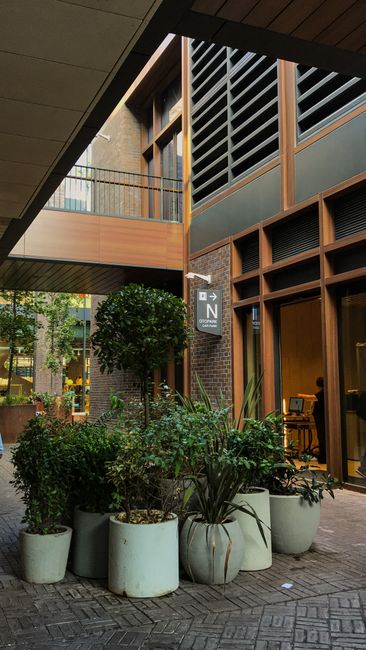
Picture a small office courtyard tucked between brick walls and glass frontages. It starts the year with a few planters, one tired patch of lawn, some weeds in the paving joints, and a hedge line that has gone a bit enthusiastic. Nothing disastrous. Just dull, slightly messy, and easy to ignore.
The first visit focuses on clearing. The gardeners remove weeds, cut back overgrowth, tidy the edges, and assess what can be saved. The lawn is trimmed down, the hedge is shaped, and the planters are checked for soil condition and root crowding. A few plants that are clearly struggling are replaced with tougher, shade-tolerant alternatives. The space already feels different. Not perfect. Just breathing again.
Then the maintenance rhythm begins. The courtyard gets regular visits, the paving stays cleaner, the planting stays in shape, and the office team stops worrying about it. One staff member starts using the courtyard for coffee in the morning. Another starts suggesting client meetings outside when the weather is good. It is a small shift, but a meaningful one.
If that courtyard had also needed screening, the team might have added more deliberate boundary planting or worked with landscape planning to reshape the space. If the hard surfaces were especially grim, a deeper clean and some low-cost refresh ideas could have stretched the budget further without cutting corners.
Practical Checklist
Use this before you request a quote or schedule a visit. It keeps the conversation practical, which is usually what you want.
- Identify the exact areas that need care: frontage, courtyard, planters, hedge lines, lawns, decking, or paving.
- Note any access restrictions, security steps, or preferred working hours.
- List the visible problems: weeds, moss, dead plants, overgrowth, bare patches, poor drainage.
- Decide whether you need maintenance only or some redesign as well.
- Check whether the site has shade, wind, or very limited soil depth.
- Ask how waste will be removed and whether disruption will be kept low.
- Clarify how often visits should happen and what is included each time.
- Confirm whether the team can also handle related tasks like patios, hedges, or tree work.
- Make sure the plan suits both the budget and the building's day-to-day use.
- Review the site after the first few visits and adjust if the routine feels too light or too heavy.
Key takeaway: the best commercial garden care is the kind people barely have to think about. It keeps the courtyard looking calm, helps the building feel sharper, and gives you one less thing to chase every week.
Conclusion
Commercial gardeners serving Wapping Wall offices and courtyards do more than tidy plants. They help keep workspaces presentable, usable, and quietly well-managed. In a busy London setting, that matters more than people often admit. A neat courtyard can make arrivals smoother, breaks more pleasant, and the whole building feel more considered.
The strongest results usually come from a simple formula: understand the site properly, choose plants and materials that suit real conditions, and keep the maintenance regular. That way the space stays steady rather than swinging from neglected to overworked. Nice and calm. That is the goal, really.
If you are weighing up what your site needs next, start with a site review, identify the high-priority jobs, and build from there. A little structure now can save a lot of bother later. And honestly, that is no bad thing.
Get a free quote today and see how much you can save.
Frequently Asked Questions
What do commercial gardeners for offices and courtyards actually do?
They handle the regular care and improvement of shared outdoor areas. That can include mowing, pruning, hedge trimming, planting, weed control, patio cleaning, container care, and broader landscaping work depending on the site.
How often should a Wapping Wall office courtyard be maintained?
It depends on how quickly the space changes and how visible it is. Many office courtyards work well with fortnightly or monthly visits, while high-visibility entrances may need more regular attention.
Can commercial gardening services work around office hours?
Usually yes, as long as access, security, and any noise-sensitive parts of the site are agreed in advance. Early morning or quieter off-peak times are often the easiest to manage.
What if the courtyard is shady and difficult to plant?
That is common in tight London courtyards. The answer is usually to use shade-tolerant planting, better soil preparation, and a simpler layout rather than trying to force sun-loving plants into a poor spot.
Is a one-off tidy-up enough for a commercial courtyard?
Sometimes for a very small site, but not usually for long. One-off work improves appearance quickly, yet the space often drifts back unless there is a basic maintenance plan behind it.
Do commercial gardeners also deal with patios and decking?
Often yes, especially where the garden and hard landscaping are closely linked. For example, patio cleaning and decking care can make a courtyard feel much more finished and easier to use.
How do I know whether I need maintenance or a full redesign?
If the site is healthy but untidy, maintenance may be enough. If the layout feels awkward, the planting keeps failing, or the space is hard to use, a redesign or landscaping improvement might be the better call.
What are the biggest signs that a courtyard needs professional help?
Recurring weeds, overgrown hedges, tired containers, patchy lawns, slippery paving, poor drainage, and planting that never seems to recover are all strong signs. If it keeps looking the same no matter who tidies it, that is another clue.
How should I prepare before asking for a quote?
Walk the site, note the problem areas, decide what matters most, and think about access and timing. The clearer you are at the start, the more useful the quote tends to be.
Can commercial gardeners help with privacy and screening?
Yes. They can trim hedges, shape planting, and suggest practical ways to improve screening without making the courtyard feel boxed in. In some spaces, that balance is the whole game.
What should I ask a gardener before booking?
Ask what is included, how often they recommend visits, how waste is removed, what they suggest for difficult shade or wind exposure, and whether they can also support related tasks like tree work or fence repairs.
Are commercial gardening services worth it for a small office?
Very often, yes. Even a small courtyard or entrance planting can shape how the building feels. If staff and visitors use that space daily, professional upkeep can pay off quickly in presentation and convenience.